
Strategy
Build a Board That Improves Decisions
The quality of governance becomes visible in the choices a company makes, the assumptions it challenges and the speed with which it responds to contrary evidence.
Resilience earns its place in the operating model when alternatives are qualified, affordable and ready to use.
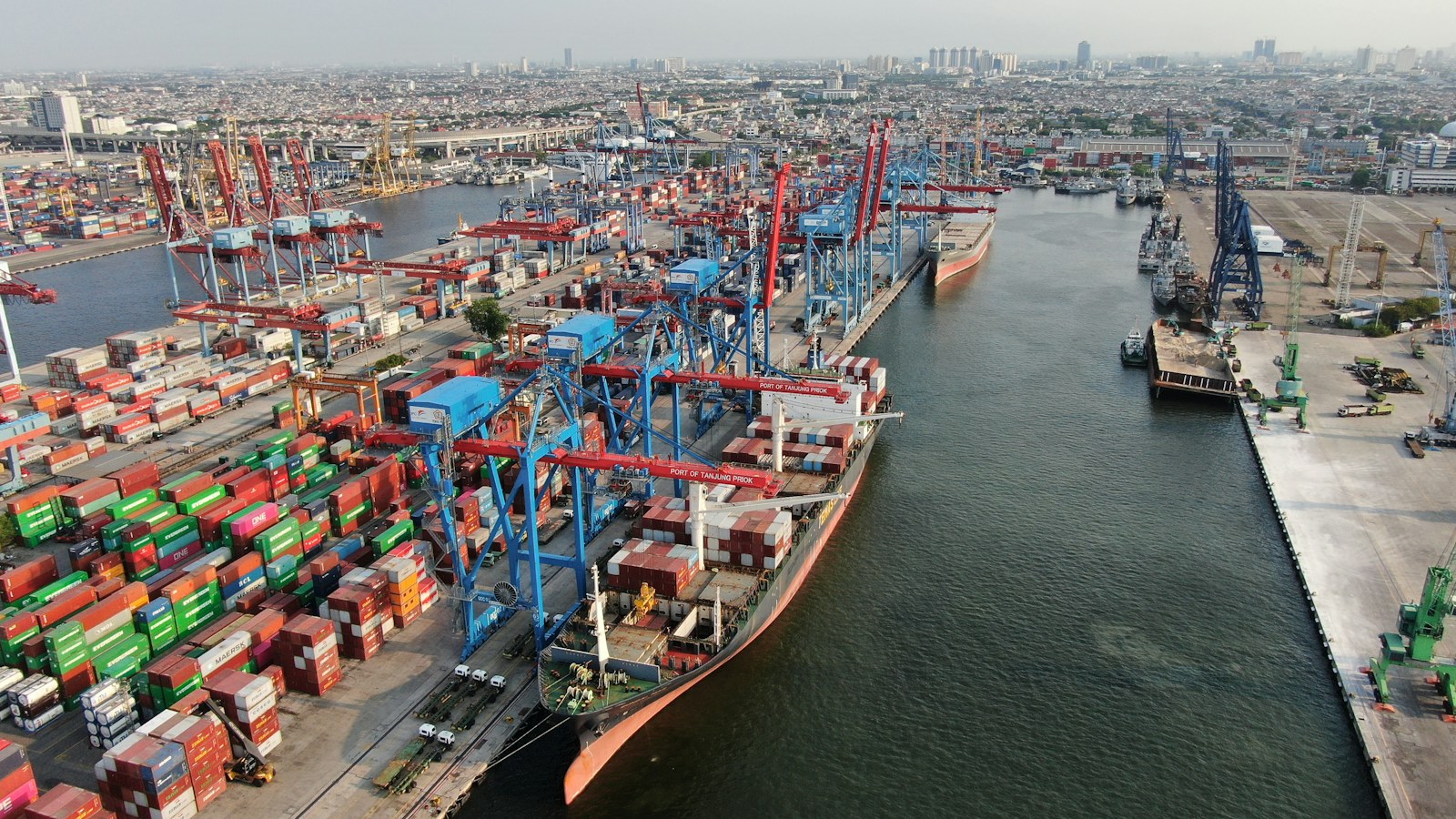
Imagine a manufacturer with two approved suppliers in different countries. On paper, the purchasing team has reduced concentration. Yet both suppliers depend on the same specialist component, use the same port and require the same laboratory to certify a design change. The company has diversified its invoices while preserving the underlying dependency. This hypothetical is a useful test of what executives mean when they say a supply chain is resilient.
The OECD's 2025 Supply Chain Resilience Review finds that broad relocalization does not consistently improve resilience and can carry substantial economic costs. Its analysis favors managing dependencies and improving adaptability. For corporate leaders, the practical opportunity is to buy useful choices: alternatives that can protect a defined customer promise at a cost the business can sustain.
Begin with the few products and services whose interruption would do the greatest damage. Follow them backward through materials, equipment, technical approvals, transport routes and essential people. A supplier's financial health belongs on the map, as does the internal employee who knows how to solve an unusual customs problem. The objective is to understand the chain of conditions required to deliver, rather than to build the largest possible supplier database.
Use customer consequences to rank the dependencies. A delayed decorative component and a missing safety critical component may have similar purchase values and entirely different business consequences. Consider lost contribution, penalties, recovery expense and damage to a hard won relationship. This makes resilience a commercial decision. Purchasing cannot determine the acceptable level of exposure without operations, engineering, finance and the people who own the customer relationship.
A credible alternative has an owner, an agreed specification, validated quality and a realistic time to activation. It may also need minimum orders to keep a supplier interested, reserved capacity or periodic test production. Those costs belong in the business case. A backup that has never been exercised can be an expensive form of reassurance, especially when switching requires the very technical resources that will be overwhelmed during a disruption.
Our recommendation is to distinguish availability from readiness. Record how long each alternative would take to deliver acceptable output, what must happen beforehand and who can authorize the move. Then compare that time with the period the business can continue serving customers from existing resources. The gap identifies the operating problem. Management can close it through inventory, a faster changeover, redesigned specifications or a different customer commitment.
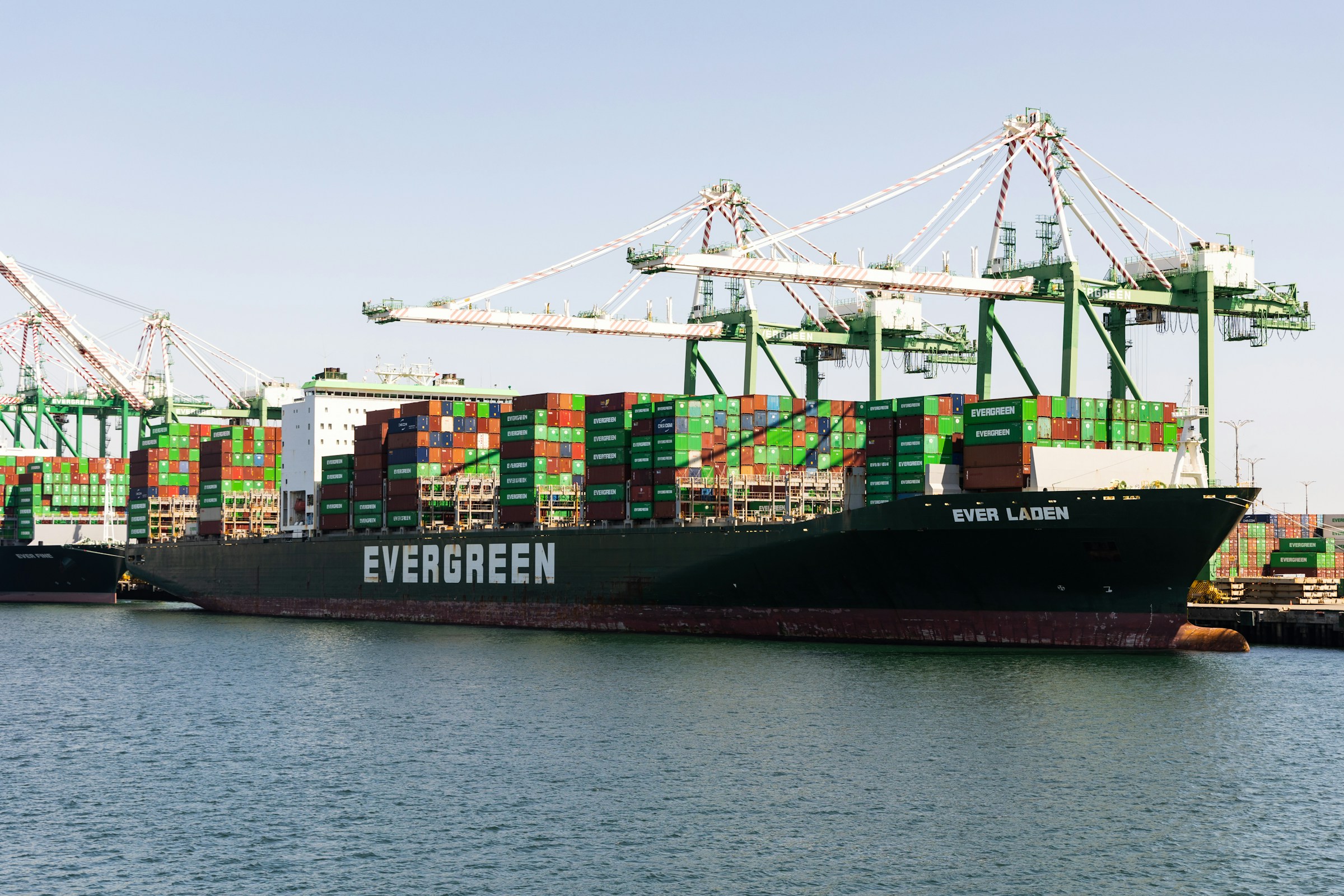
The OECD's Trade Facilitation Indicators report, published in March 2025, examines border procedures across 163 economies and identifies continuing gaps between formal frameworks and practical implementation. This matters because a shipment is useful only when it can be released, received and put to work. A fast vessel cannot compensate for incomplete documentation or an unresolved classification issue.
Treat trade documentation with the same discipline as production data. Product descriptions, origin records, specifications and commercial documents should agree. Establish how changes will be communicated among suppliers, freight providers and internal teams. Test an alternative route with a real shipment before relying on it for a critical order. Where specialist advice is necessary, incorporate that work into the schedule instead of assuming the border will behave like a predictable handoff.
The WTO's September 2026 World Trade Report describes a deeply connected world economy in which strategic competition and government intervention increasingly test established trade arrangements. The executive implication is to look beyond geography alone. Different supplier addresses can still conceal common exposure to a policy, a transport corridor, a currency or a concentrated upstream market.
Bring those shared exposures into investment decisions. A slightly more expensive design that accepts a widely available input may offer more protection than another supplier producing the same highly specialized part. That is an engineering choice with financial consequences, and it deserves joint sponsorship. Equally, diversity should remain proportionate. Maintaining many low volume relationships can dilute purchasing power, complicate quality control and consume attention better spent on the few dependencies that could halt the business.
A recovery exercise should begin with a specific interruption and end with a customer delivery decision. Ask participants to show who calls the supplier, where the inventory is, which substitutions are approved and what the customer will hear. Record the moments when authority or information is missing. Repeat the exercise after the gaps are closed. The measure of progress is a shorter, more credible path back to service.
The board does not need a tour of every warehouse. It needs to understand the largest concentrations of consequence, the cost of protecting them and the evidence that recovery plans work. Review readiness alongside cost and working capital so that teams are rewarded for the whole operating result. A resilient supply chain gives leadership room to make a sound decision when circumstances change. That room must be built before it is needed.
Executive analysis informed by the linked sources. Hypothetical examples are identified in the text. Published 3 October 2026.
The quality of governance becomes visible in the choices a company makes, the assumptions it challenges and the speed with which it responds to contrary evidence.
An executive pricing agenda should connect the customer’s economics with the company’s economics. The strongest price is one the buyer can defend after the purchase.
The next planning cycle calls for a sharper view of customers, cash and commitment. A global forecast is the beginning of that work.